Objective
This guide explains why safari vehicle choice directly affects comfort, safety, wildlife viewing, and overall safari satisfaction in Tanzania. We also help you understand what makes a safari vehicle suitable for Tanzania’s landscapes and wildlife conditions, based on real field use and operator insight.
Key Takeaways
- The vehicle affects how much wildlife you see and how comfortable you feel
- Not every 4×4 works for game drives
- Comfort and safety matter more on long drive days
- Skilled operators treat vehicles as essential safari equipment
Introduction
One wrong safari vehicle can turn a dream wildlife experience into a long, uncomfortable day on rough terrain.
Most people don’t think about it when planning a safari. You spend far more time inside a vehicle than you do at the lodge or camp. Hours pass on game drives. Roads turn into dirt tracks. The weather shifts quickly.
Animals appear when you least expect them. In that setting, the vehicle is not just transport. It is your seat, your shelter, your viewing platform, and your safety zone.
Most travelers focus on parks, animals, and itineraries. Very few stop to ask a simple question. What will I actually be riding all day? That question matters more than you think, especially in Tanzania, where distances are long, and terrain is demanding.
Did you know?
Most wildlife sightings in Tanzania happen during game drives that last 5 to 7 hours a day. That amount of time makes vehicle design critical for comfort, safety, and viewing quality.
This is where safari vehicles in Tanzania truly matter, not as an add-on, but as a core part of the experience.
Table of Contents
- Why Safari Vehicles Matter More Than You Think
- Tanzania’s Terrain and What It Demands from Vehicles
- Key Features of Safari-Ready Vehicles
- Comfort, Safety, and Wildlife Viewing Advantages
- Real-Life Safari Experiences from Tanzania
- Kilivikings and Their Role in Safari Transport
- How the Right Vehicle Enhances Your Safari
- FAQs
- CTA
Choosing the Right Safari Transport for Tanzania Adventures
Tanzania’s national parks are vast, raw, and largely untouched. That is exactly what makes them special. It is also why vehicles need to handle much more than paved roads and short distances. Game drives happen early in the morning, late in the afternoon, and sometimes all day.
Off-Road Terrain and National Park Conditions
Tanzania’s parks are known for rough tracks and changing conditions. Standard vehicles struggle here.
Common challenges include:
- Uneven dirt roads with deep ruts
- Muddy paths during the rainy season
- Seasonal river crossings
- Dust-heavy plains in dry months
Regular SUVs are often not equipped with the suspension clearance and clearance needed for these situations. If a vehicle malfunctions all day, it could be slowed down.
Wildlife Viewing Depends on Vehicle Design
Animals do not appear on schedule. When they do, your position matters.
Good safari vehicles offer:
- Elevated seating for clear views
- Large window and wide angles of view
- Silent movement to prevent the wildlife from being disturbed
What this actually means is that you will spend more time watching
animals, instead of rearranging seats.
What Makes Safari Vehicles in Tanzania Truly Safari-Ready
Not all 4×4 vehicles are built the same. Tanzania requires purpose-built safari vehicles that balance strength, comfort, and visibility. This is where experienced operators separate themselves.
Structural Features Built for Game Drives
Safari-ready vehicles usually include:
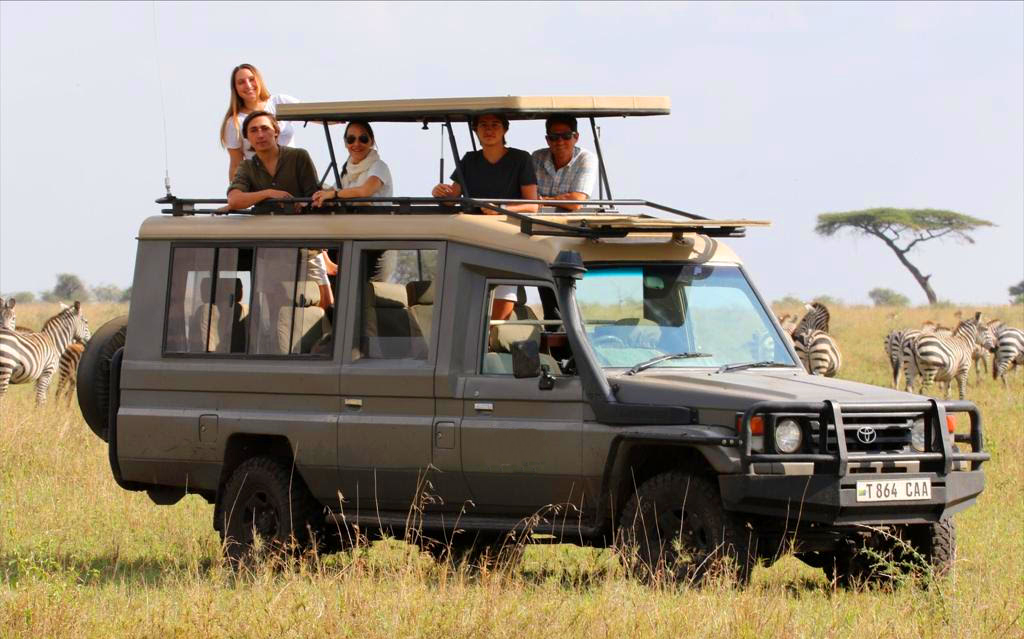
- Pop-up roofs for standing views
- Reinforced suspension for rough tracks
- High ground clearance
- Elevated seating rows
These features are not for show. They exist because parks demand them.
Comfort Features for Long Safari Hours
Long drives test endurance and posture. Comfort helps to maintain energy levels.
Look for:
- Cushioned seats
- Adequate legroom
- Good airflow for warm afternoons
A comfortable vehicle helps you stay alert during sightings that happen hours into the drive.
Safety and Reliability in Remote Safari Regions
Safaris often operate far from towns, workshops, or mobile signals. In that case, reliability is not optional.
Reliability on Long-Distance Safari Routes
Strong safari vehicles are chosen for:
- Proven engine performance
- Backup tires and recovery tools
- Drivers trained in vehicle handling and park rules
Experienced operators do not take chances with equipment.
Passenger Safety During Wildlife Encounters
Safety is a result of design and the disciplines.
Important elements include:
- Stable vehicle build
- Points of control for access
- Clear rules during animal sightings
Vehicles are built to guard guests and wildlife.
How Safari Vehicles Enhance the Overall Experience
Beyond mechanics, the right vehicle changes how the day feels. It shapes energy, patience, and focus.
Comfort Equals Better Focus on Wildlife
Less physical strain means:
- Longer attention spans
- More patience during slow moments
- More enjoyment from the landscape
The comfort feature keeps you interested instead of being distracted.
Photography and Viewing Advantages
For photography lovers, vehicles matter even more.
Benefits include:
- Clear sightlines
- Positions for cameras that are stable
- The ability to roam freely without blocking themselves
Many guests say that their favorite photos stemmed from the good design and layout of their vehicles.
Real Safari Experiences from Tanzania’s Game Drives
We often hear this from travelers. The day started early. Roads were rough. But the vehicle held steady. Midday heat rose. The seats stayed comfortable. Then came the moment. A pride of lions resting near the track. Everyone stood up. Cameras clicked. No rush. No strain.
On a full-day Serengeti game drive, comfort made patience possible. Patience made sightings richer. The vehicle did not steal attention. It supported the experience.
That difference stays with people long after the trip ends.
Kilivikings and Their Role in Safari Transportation
Kilivikings play a behind-the-scenes role in safari logistics. They help support terrain planning, vehicle readiness, and operational coordination in challenging areas.
Their contribution to the overall awareness of routes, preparation for the changing conditions on the ground, and overall reliability of transport. Although guests might not be aware of their presence, their contribution helps to ensure that safari activities are smooth and secure.
Why Experienced Safari Operators Prioritize Vehicle Quality
Professional safari operators treat vehicles as part of guest care. At Safaris in Tanzania, vehicle choice reflects years of field experience and feedback from travelers.
Operator Knowledge and Vehicle Matching
Good operators match:
- Vehicle type to park terrain
- Vehicle layout to traveler needs
Families, photographers, and older travelers all benefit from thoughtful vehicle selection. This approach improves safety and satisfaction for everyone involved.
Your Safari Deserves More Than Just a Seat – It Deserves the Right Ride
When planned safari vehicles in Tanzania can become silent partners for unforgettable wildlife experiences, they provide comfort and safety, and allow you to get closer to nature without hindering your journey. In Safaris in Tanzania we believe that having the right vehicle isn’t an expense. It’s an integral part of responsible planning for safaris and the care of guests.
CTA: Plan Your Safari the Right Way
Choose safari experiences guided by operators who value safety, comfort, and field-ready vehicles.
Frequently Asked Questions
Q1. What type of vehicle is best for a Tanzania safari?
A safari-modified 4×4 vehicle with an open roof and high clearance would be best suited to Tanzania’s terrain and viewing requirements.
Q2. Are safari vehicles safe for families and older travelers?
Yes. Stable design, comfortable seating, and trained drivers make them suitable for a wide age range.
Q3. Do safari vehicles differ by national park in Tanzania?
Yes. Some parks require stronger suspension or higher clearance due to rougher tracks and longer distances.
Q4. How long do travelers stay inside safari vehicles?
Game drives usually last between 4 and 7 hours per day, depending on the park and wildlife activity.