
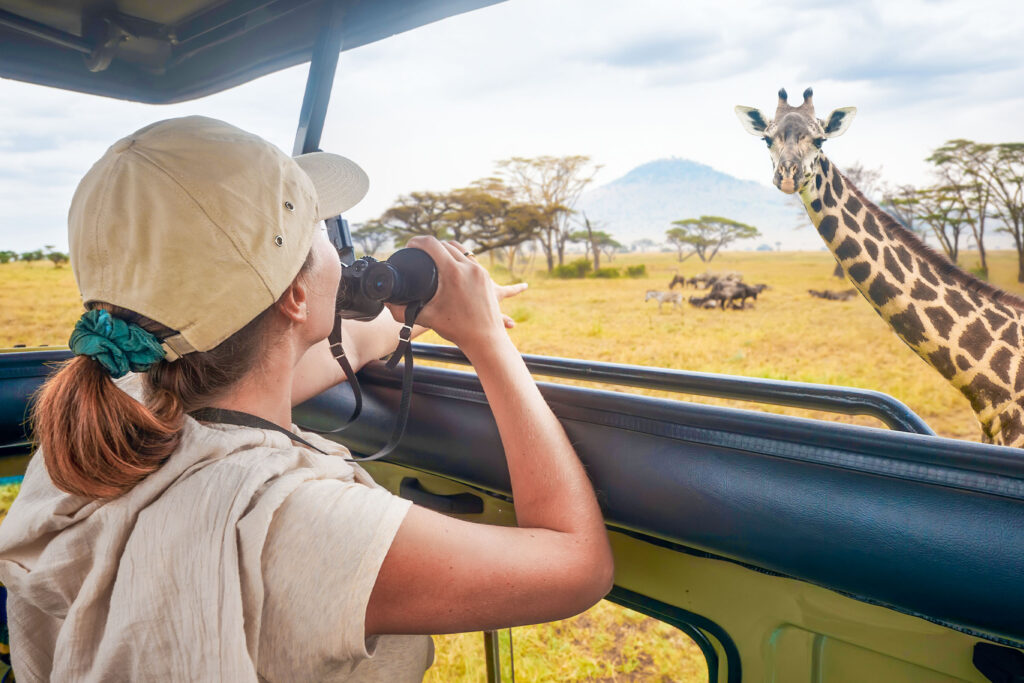
A small decision you make could make a real difference in how the wildlife of Tanzania survives for the next generation. That’s the truth most travelers don’t think about when they start planning a safari. But here’s the thing: safari tourism supports the country in a very direct way.
Did you know that Tanzania protects more than one-third of its land for wildlife? This level of protection is one of the highest in the world, according to conservation agencies. It reminds you why a sustainable safari in Tanzania matters from the very beginning.
Before we go into the details, we need to lay the foundation in a straightforward manner. Sustainable safari travel involves going on safari in Tanzania with respect for the land and wildlife, as well as the people who reside in this area. It’s about making choices that benefit instead of hurting.
The choices that benefit local communities. Alternatives to protect animals instead of putting pressure on them. Also, choices that let you enjoy yourself without leaving a negative impression behind.
Key Takeaways
- Respect for wildlife ensures that animals are safe and free of stress.
- Local communities benefit when you choose the right tour operator.
- Your money can support long-term conservation programs.
- Small steps, like your choice of lodge and guide, matter a lot.
- A safari can still be exciting, comfortable, and meaningful while being responsible.
Let’s break it into pieces that allow you to travel more efficiently, better, faster, and with greater awareness.
Why Responsible Travel Matters for Tanzania’s Safari Experience
You’re aware that Tanzania is a popular destination for the Serengeti, Ngorongoro Crater, Tarangire, Lake Manyara, and many more. However, what many visitors do not realize is that tourism makes a significant contribution to keeping these locations safe.
If you are a responsible traveler and make a conscious effort to do so, you will reap benefits for wildlife protection, community involvement, and sustainable development over the long term.
Wildlife Protection: The Heart of Responsible Safaris
If you visit an area designated as a national park, it means you enter an area of protection that requires a lot of consideration. The government and conservation bodies work hard to keep wildlife safe, and your actions support that work. Your safari choices can boost eco safari Tanzania programs that help rangers, researchers, and breeding programs.
Wildlife protection is also based on one simple rule: Respect. If you maintain a safe distance, be quiet and abide by park guidelines. Wildlife behaves naturally. This is beneficial for them, and it will improve your experience as well.
Supporting Local Communities
Responsible travel also helps the people who protect the land every day. Many safari companies in Tanzania employ local guides, cooks, drivers, and staff. This means money goes directly to families and villages. When you follow ethical tourism in Tanzania, you support people who want to keep these lands protected, because their livelihood depends on it.
Real example: Many Maasai communities near the Ngorongoro Conservation Area run small cultural experiences. Visitors who come to the area contribute their income to fund health, education, as well as local development. This is how traveling can create a positive cycle.
Expert Insight
A conservation expert once shared that “responsible travelers are part of the long-term solution. Their choices help preserve places that cannot be replaced.”
That statement says it all. The future of Tanzania’s wildlife depends on people choosing the right actions today.
Key Principles for a Responsible Safari
You don’t have to change everything about your trip. You only need to make better choices. SafarisInTanzania.com already follows many responsible practices, which makes things easier for you.
Choose Operators Who Support Conservation
Your safari operator affects almost everything about your impact. SafarisInTanzania.com, for example, uses trained local guides and supports parks that rely on visitor fees. This directly helps conservation programs.
Choosing an operator that focuses on wildlife safety, good training, and community support also helps promote conservation safari practices.
Treat Wildlife With Respect
Here are simple rules that make you a responsible traveler:
- Keep a safe distance from animals.
- Never block animals while they move.
- Don’t shout, clap, or make a loud noise.
- Never feed wildlife.
- Follow your guide’s instructions.
These rules protect both you and the animals. And yes, it supports ethical tourism in Tanzania at its core.
Support Local Communities
Responsible safaris are about supporting the people in your area, not just the safari parks. You can:
- Stay in locally owned lodges.
- Purchase handcrafted items directly from the artisans.
- Select cultural excursions organised by local groups.
- Tip fairly in the event of good service.
It also helps strengthen the eco-safari Tanzania programs by ensuring that money stays within the community.
Pack With Purpose
Your packing habits matter too:
- Carry reusable items (bottle, bag).
- Wear neutral clothing to keep wildlife from being disturbed.
- Pack biodegradable toiletries.
Here’s a quick note: When you’re carrying less impact, the ground has less weight.
How SafarisInTanzania.com Supports Responsible Travel
The website offers personalized safari planning, local guides, and flexible options that match different travel styles. They also focus on authentic experiences, which helps protect local culture.
Local Guides With Real Knowledge
Local guides know the terrain and wildlife better than anyone else. They are knowledgeable about how animals behave as well as safe distances and safe routes. This helps them act safely without pondering every move.
Eco-Friendly Lodging Options
Many lodges and tented camps in Tanzania use solar power, limit plastic use, and reduce waste. These places also support conservation safari practices. SafarisInTanzania.com works with many of these stays.
Flexible and Low-Impact Safari Options
Small groups and custom itineraries reduce pressure on wildlife. This supports slow travel and improves your overall experience. This is also where your second body placement of sustainable safari Tanzania fits naturally.
Tips for Travelers Who Want to Go All-In on Responsible Safaris
Some travelers want to make their safari as responsible as possible. If that’s you, here are a few simple steps.
Reduce Your Carbon Footprint
- Pick direct flights when possible.
- Use refillable water bottles.
- Keep your trash limited and sorted.
- Choose shared safari vehicles when suitable.
Learn Before You Go
Learning about parks, wildlife, and cultural customs creates respect. Reading guides or watching educational videos prepares you to engage with more awareness.
Spend Mindfully
Your money is powerful. Spend it where it helps:
- Buy souvenirs from local artists.
- Support community experiences.
- Choose stays that follow eco-friendly practices.
Every dollar spent the right way helps Tanzania move forward.
A Real Traveler Example
A traveler shared how hiring an experienced local guide on their Ngorongoro safari was a way to fund an official patrol vehicle to protect the area. Stories like this illustrate the impact of your choices on the real work of conservation.
This is the time when we put the third use to sustainable safari in Tanzania.
Step Into Tanzania With Purpose
Responsible travel doesn’t take anything away from your safari. It enhances the experience, meaning, and respect. By participating in sustainable safari practices in Tanzania, you appreciate some of the most beautiful places in the world while protecting the community and preserving wildlife. Safeguard the community, and appreciate some of the most beautiful places in the world.
Looking for the best Kilimanjaro trek? Kilivikings.com provides expert-guided climbs, professional support staff, and well-planned routes. A perfect option for mountain lovers and adventure seekers.
Frequently Asked Questions
Q1. What makes a safari in Tanzania sustainable?
By using responsible guides, assisting local communities and staying in eco-friendly accommodations, and respecting the wildlife.
Q2. Are eco-friendly safaris more expensive?
It’s not always the case. A lot of mid-range options are green at no additional cost.
Q3. How do I know if a company practices responsible tourism?
Check their values, guide training, community involvement, and eco-lodging partnerships.
Q4. Is wildlife viewing safe for the animals?
Yes, as long as travelers follow guidelines and keep a distance.