
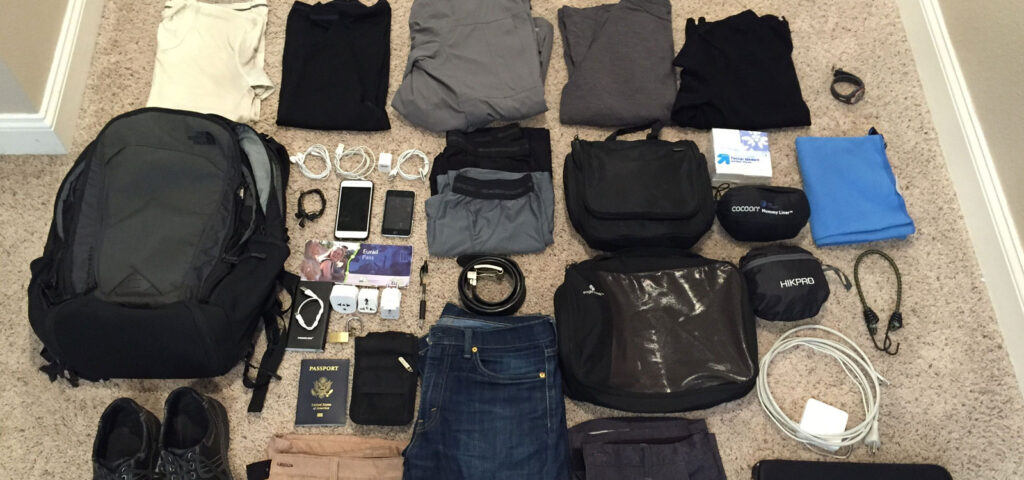
Your safari plans look perfect on paper. Flights booked. Camps selected. Game drives lined up. Here’s the thing: most travelers don’t think enough about it until the last minute. Packing can either make your trip smooth and stress-free or turn it into one long series of small struggles.
Did you know that Tanzania welcomes over one million wildlife travelers every year, and the most common travel complaints reported to health and tourism boards are linked to poor packing, heat exposure, insect protection, and missing documents? That’s not about bad tours. That’s about poor preparation. This is exactly why having a solid Tanzania safari packing list matters more than you think.
Let’s define it clearly. A safari packing checklist is not about “what you like to wear.” It’s about weather shifts, long game drives, health safety, luggage limits, wildlife rules, dust, sun, insects, and remote locations. In simple terms, it’s about packing with purpose, so you stay safe, comfortable, and fully present during your safari.
Before we go deeper, here are your quick key takeaways:
- You pack differently for a safari than for any normal vacation
- Health, documents, and sun protection matter as much as clothes
- Soft luggage is not optional on small safari flights
- Clothing color and fit affect both comfort and wildlife viewing
- Packing right saves money and stress on arrival
Now let’s break this down properly.
How Smart Packing Shapes Your Safari Experience in Tanzania
A safari is not a city trip. Roads are dusty. Mornings start early. Evenings cool fast. Camps can be far from stores. What this really means is that preparation controls your comfort from day one.
When you follow a smart Tanzania safari packing approach, you avoid sunburn, bug bites, sore feet, luggage delays, and last-minute shopping at high prices. A good safari travel guide always starts with packing because it affects everything that follows.
Safari Travel Guide for First-Time Tanzania Visitors
If this is your first safari, you will notice three things fast: temperature swings, long hours in vehicles, and constant sun. First-time guests often overpack the wrong items and forget critical ones like motion sickness tablets, sunscreen, or breathable layers.
One field guide in Serengeti puts it simply:
“People prepare their cameras better than their bodies. Comfort always wins in the end.”
Clothing Essentials for Comfort, Safety & Movement
Your clothes must work for heat, dust, sun, and walking. Style matters far less than function out here. Neutral colors help you blend into the environment and avoid drawing insects.
This is where your second use of the Tanzania safari packing list fits naturally, because clothes take up most of your bag.
Safari Essentials for Daily Game Drives
Here are the core safari essentials you should always pack for your daily drives:
- Lightweight long-sleeve shirts for sun and insect protection
- Convertible pants for heat and cool evenings
- Wide-brim hat
- Comfortable closed walking shoes
- Light jacket or fleece for early mornings
- Socks with coverage for dust and bugs
Dust gets everywhere. If it can enter, it will.
What to Bring to Safari Tanzania for Different Seasons
You also need to adjust based on the season. During dry months, dust protection matters most. During the green season, weeks of rainfall change your needs.
Your first use of what to bring to safari Tanzania fits here: rain jacket, quick-dry clothing, water-resistant bags, and extra socks become more important during wetter months.
Health, Safety & Personal Care Items You Can’t Skip
Medical help is available in Tanzania, but safari camps are often hours away from hospitals. This is not where you want to realize you forgot a critical medicine.
This is where safari travel becomes personal. Your body needs protection from heat, dehydration, insects, and long vehicle rides.
Safari Essentials for Health & Hygiene
These safari essentials protect your health daily:
- Prescription medications with copies
- Insect repellent with DEET or Picaridin
- Sunscreen SPF 50+
- Hand sanitizer and wipes
- Motion sickness tablets
- Rehydration salts
What to Bring to Safari Tanzania for Medical Safety
Your second and final use of what to bring to safari Tanzania applies to medical proof and emergency protection: vaccination certificates if required, travel insurance details, emergency contacts saved offline, and a basic first-aid kit.
According to CDC guidance, insect protection and hydration are the most overlooked health needs for East African safari travelers.
Tech, Travel Documents & Money Must-Haves
Lost documents can stop your trip at the airport. Dead batteries can cost you wildlife moments. And while Tanzania accepts cards in many places, remote areas still rely on cash.
This is your second use of the safari travel guide because logistics matter just as much as packing clothes.
Always carry:
- Passport with six-month validity
- Printed visa and travel insurance
- Photocopies and cloud backups
- Universal power adapter
- Power bank
- Camera batteries and memory cards
Photography & Wildlife Viewing Gear That Actually Helps
You do not need a studio setup. You need durable, simple, and dust-safe gear. Many guests arrive with expensive equipment and leave with dust inside every lens.
Helpful items:
- Binoculars for shared viewing
- Zoom lens instead of a fixed lens
- Dry bags for dust and rain
- Microfiber cloths
- Compact tripod for camp use
Adjusting Your Packing for Families, Couples & Senior Travelers
Different travelers need different prep. This is one reason why Safaris in Tanzania customizes trips based on who’s traveling, not just where you’re going.
- Families should add snacks, basic medicines for kids, and simple entertainment for long drives.
- Couples benefit from one slightly dressy outfit for evening dinners and private lodge moments.
- Senior travelers should focus on comfort clothing, walking aids if needed, and easy-access medicine storage.
Real-Life Safari Packing Mistakes Travelers Regret
This is your third and final body use of the Tanzania safari packing list, applied in a cautionary way.
Real feedback from safari guests shows repeating problems:
- Hard suitcases that cannot fit in small aircraft
- Too many heavy jeans and not enough light layers
- Forgetting prescription meds
- No sun or insect protection
- Overpacking shoes and underpacking socks
Don’t let one small mistake steal comfort from a once-in-a-lifetime safari.
Quick Safari Packing Table for Easy Review
| Category | Must-Have Items |
| Clothing | Long sleeves, convertible pants, hat, light jacket |
| Health | Sunscreen, bug spray, meds, hydration salts |
| Documents | Passport, visa, insurance, backups |
| Tech | Camera, power bank, adapters |
| Bags | Soft duffel, day pack, dust bags |
Your Tanzania Safari Packing List Isn’t Just a Checklist, It’s Your Survival Guide
This is your fourth and final use of the Tanzania safari packing list, and it matters here.
Packing for safari is not about fashion or excess. It’s about staying cool in the heat, safe from insects, ready for weather shifts, and prepared for long days in wild terrain. When you pack right, you move with ease. You rest better. You enjoy it more.
Most travelers who pack with care say the same thing afterward: they worried less and took in more of what Tanzania offers.
And here’s where expert planning truly helps. When you travel through Safaris in Tanzania, you don’t just get routes and lodges. You also get guidance built on real field experience and traveler patterns across Serengeti, Ngorongoro, and beyond.
For anyone dreaming of climbing Kilimanjaro, Kilivikings is one of the best names to trust. They provide personalized trekking plans, skilled guides, and top-notch support through every step.
FAQ’s
Q1. What is the best type of luggage for a Tanzania safari?
Soft duffel bags work best because they fit easily in safari vehicles and small aircraft.
Q2. Do I need special clothing for a safari in Tanzania?
Yes, lightweight, neutral-colored clothing with long sleeves offers the best comfort and protection.
Q3. Is it safe to carry a camera and valuables on safari?
Yes, safaris are generally safe, but valuables should always stay with you or in lodge safes.
Q4. How many outfits should I pack for a 7-day safari in Tanzania?
Four to five mix-and-match outfits are enough when combined with light laundry options at lodges.
Q5. What health items are most important for a Tanzania safari trip?
Sunscreen, insect repellent, personal medicines, and hydration salts are the most essential health items.