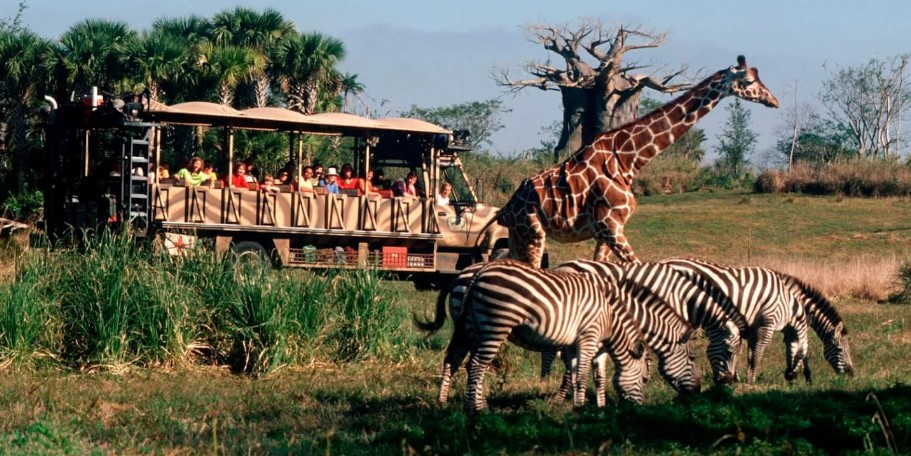
If you’ve ever wondered what it feels like to stand on the highest point in Africa and then spend the next few days watching lions, elephants, and giraffes in their natural space, you’re in the right place. This combination is one of the most talked-about travel experiences for a reason. It brings together physical effort, scenic landscapes, wildlife, and a sense of achievement that stays with you for years.
Here’s the thing: many people don’t realize how achievable and safe this plan can be when you prepare properly and book with trusted operators like Safaris In Tanzania. You’re not just hiking a tall mountain. You’re stepping into one of the world’s most famous natural areas and then relaxing on a safari where every moment feels like a front-row seat to real wildlife.
Did you know? Reports from Tanzania’s official tourism board show that more than 50,000 climbers attempt Kilimanjaro each year, and millions visit its national parks annually. It shows how popular this mix of climbing and safari has become for travelers from around the world.
Before we move forward, the required keyword must be placed here naturally, Kilimanjaro and safari tour, as it sets the tone for the rest of your guide.
Key Takeaways
- This combo gives you a full African experience: a climb plus wildlife viewing.
- You’ll find all kinds of travelers taking this trip: couples, families, solo travelers, older travelers, and groups.
- You don’t need technical climbing skills for Kilimanjaro, but steady fitness definitely helps.
- Safari days following the climb, let the body unwind and allow you to take in the famous Tanzanian parks.
- Choosing a trusted team like Safaris in Tanzania makes the trip smoother and safer.
Understanding the Kilimanjaro Experience and Why the Combo Works So Well
If you look at what Tanzania offers, you’ll notice something special: the tallest free-standing mountain in the world, right next to some of the most famous wildlife parks on the planet. That’s why so many travelers choose to climb first and rest during a safari afterward. It’s a smart flow and lets your body slow down after days of effort.
Kilimanjaro Experience: What Makes This Mountain Stand Out
Kilimanjaro has several routes, each giving you a different view of the forests, moorlands, snowy sections, and open skies. When people discuss the Kilimanjaro adventure, they typically refer to the slow, sluggish climb, the tranquil surroundings, and the constant help from the guides who are trained.
This climb is challenging, but not technical. So as long as you walk steadily, hydrate well, and listen to your guide, you increase your chance of reaching the top.
Safari Kilimanjaro Tanzania: How the Mountain Connects to the Safaris
The moment you finish your climb, you’re only a short drive away from iconic parks like Serengeti, Ngorongoro Crater, and Tarangire. That’s why the term safari Kilimanjaro Tanzania appears often; it reflects how linked these experiences are.
Some travelers share stories of waking up sore from the climb but smiling during their first safari drive because of the contrast, quiet mountain mornings to lively wildlife scenes.
Kilimanjaro Routes and What to Expect Before You Go on Safari
Each route has its own personality. Let’s break it down clearly so you understand what to expect.
Kilimanjaro Trips: The Main Routes Explained
Here are the popular routes people choose during Kilimanjaro trips:
-
Machame Route
Loved for its scenic views and good acclimatization profile.
-
Lemosho Route
Wide views, steady pace, and very popular among first-timers.
-
Marangu Route
The only route with hut accommodation. Good for people who prefer structured stays.
-
Rongai Route
Approaches from the north and gives a quieter experience.
-
Northern Circuit
Long, calm, excellent for acclimatization.
You should choose based on your fitness, time, and whether you prefer more comfort or more nature.
Across all Kilimanjaro trips, one rule remains true: go slow.
High-Altitude Safety and Smart Climbing Tips
Altitude affects everyone differently. Your guide will remind you to drink enough water, eat properly, and walk slowly. Here are key points to keep in mind:
- Stay hydrated.
- Eat even when you’re not hungry.
- Sleep early and rest often.
- Listen to your guide’s instructions.
- Report any symptoms like headaches or nausea early.
A mountaineering coach once shared a helpful line: “People who rush don’t reach the top. People who respect the mountain do.” That sums it up perfectly.
Moving From the Climb to Your Safari Days
Once you finish your climb, the rhythm of your trip changes completely. Instead of walking slowly for hours, you sit back, relax, and let the views come to you.
Safari Kilimanjaro Tanzania: How the Transfer Works
Most travelers take a day to rest after the climb. Then they start their safari in Kilimanjaro, Tanzania with a game drive. Because the parks are close to Moshi and Arusha, your travel time is short and easy.
A good operator handles everything: transport, meals, park fees, and planning, so you focus on enjoying the moment.
The Wildlife Parks You’ll Visit
Here’s what to expect from the major parks:
-
Serengeti National Park
Known for wide landscapes and massive wildlife groups.
-
Ngorongoro Crater
A unique spot where wildlife stays all year.
-
Tarangire National Park
Large elephant groups, giant baobab trees, and stunning views.
Travelers often say the safari days help balance the physical strain of the climb. It allows you to relax, breathe, and experience the outdoors in a more comfortable manner.
And here’s a quick motivational moment:
Enjoy the excitement of climbing to the top, and then slowly easing into peaceful days in the midst of wildlife. This is the best opportunity to enjoy Tanzania completely.
Planning Your Kilimanjaro and Safari Days Like a Pro
Good planning makes the difference between a smooth trip and a stressful one. Let’s break this down simply.
Kilimanjaro Trips & Kilimanjaro Experience: What to Pack
Here’s what you’ll need:
- Warm layers
- Waterproof gear
- Climbing boots
- Gloves, hats, and thermal wear
- Toiletries
- Sunscreen
- Snacks
- A small first-aid kit
- Required documents and insurance
During a Kilimanjaro experience, proper packing supports your comfort and safety.
Costs, Seasons, and Picking the Right Team
Dry months like January–February and June–October are ideal. That’s when the weather is more stable.
Your budget depends on:
- Route chosen
- Number of days
- Type of accommodation
- Safari length
Teams like Safaris in Tanzania are known for clear planning, trained guides, custom options, and strong support. This helps you feel safe and informed at every step.
A Sample 10-Day Combined Plan
This gives you an idea of how the days flow:
- Day 1: Arrive in Moshi
- Day 2–7: Climb through your chosen route
- Day 8: Rest day
- Day 9: Safari day in Tarangire
- Day 10: Ngorongoro Crater tour
- Optional Extra: Serengeti extension
This simple format works well for most travelers.
Ready for a trip that blends physical effort and calm wildlife days?
That’s the moment to start planning.
Expert Tips to Make Your Trip Better
Fitness and Mindset Tips
Guides often recommend simple training:
- Walk daily
- Add light strength exercises
- Practice hiking with a backpack
A local guide once said, “The mountain rewards patience, not speed.”
Safari Advice From Field Experts
- Keep your camera ready.
- Wear neutral colors.
- Respect the guide’s instructions.
- Stay in the vehicle unless told otherwise.
These small habits improve your overall experience.
Why This Kilimanjaro and Safari Tour Stays With You Forever
It’s not just about ascending the highest point in Africa. You’re walking into one of the most protected and natural regions, before slowing down for safari days that allow you to take in every minute. The entire Kilimanjaro and safari mix will give you stories, confidence, and a new appreciation of the beauty of nature.
With a skilled and dependable team such as Safaris in Tanzania, you’ll be supported from the beginning to the end.
CTA: Ready to Plan Your Trip?
If you want a smooth, safe, and well-organized experience from the climb to the safari days, reach out to Safaris in Tanzania and start planning your once-in-a-lifetime trip today.
Experience Kilimanjaro with confidence — Kilivikings offers professional trekking, friendly support crews, and strong safety standards. A great choice for your next Tanzania adventure.
FAQs
Q1. How many days do you need for the climb and safari?
Most people spend 7 days climbing and 2–4 days on safari.
Q2. Is it safe to climb and then go on safari?
Yes, when done with trained operators and proper planning.
Q3. What fitness level do I need?
Steady walking fitness is enough for most routes.
Q4. When is the best time for this combo?
Dry months give the best comfort and wildlife viewing.
Q5. Do I need insurance?
Yes, especially for medical and emergency support.
Q6. What wildlife will I see?
Elephants, lions, zebras, giraffes, hippos, and more, depending on the park.